

26 Jul The 1948 Miracle of Israel Framed: A Rare Masterpiece of Zionist History!
Extremely Rare and Hard to Find! 🇮🇱 A Framed Historical Treasure from the Early Days of the State – A Living Testament to the Zionist Miracle, Perfect for Any Proud Jewish Home Around the World! 🎲✨
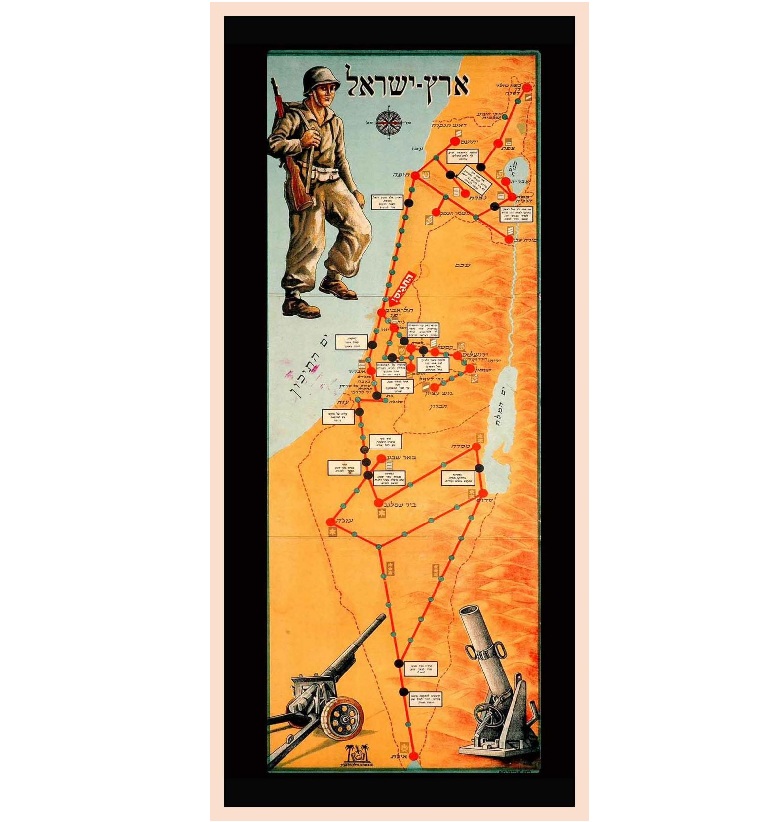
Get a glimpse of a truly fascinating and moving piece of history: the historical “Eretz-Israel” (Land of Israel) board game from the legendary B. Barlevy publishing house, dated 1949. This special item comes professionally framed and ready for display—a true museum-quality treasure that is incredibly hard to find today. For our brothers and sisters in the Diaspora, this board is not just a rare collectible; it is a symbol of our unbreakable connection to our historical homeland.
The Spirit of ’48: The Few Against the Many This game was published right as the battles of the War of Independence (1948-1949) subsided. When you look at the figure of the Hebrew soldier and the cannons illustrated on the board, it’s impossible not to get chills facing the unfathomable reality of those days. In 1948, the Jewish community in the Land of Israel numbered only about 600,000 people—a small community rising from the ashes of the Holocaust in Europe, only to find itself attacked immediately upon declaring independence by the regular armies of five Arab nations.
While the invading armies enjoyed a massive numerical advantage and unlimited weapons supplies, our fighters had to face a cruel international embargo and a desperate shortage of ammunition. We fought for our very existence with outdated weapons smuggled into the country in secret, sometimes hidden inside tools or food shipments. We didn’t have advanced tanks or modern fighter jets; fighters often went into battle sharing a single rifle.
The Secret of the Victory and the Birth of the “New Jew” So how did we win anyway? The answer lies in the spirit that radiates from every square of this game board. We won thanks to the secret of “Ein Breira” (No Choice). We knew we had no other land and that we could not afford to lose. It was a campaign decided by determination, extraordinary courage, and a burning belief in the absolute justice of our path.
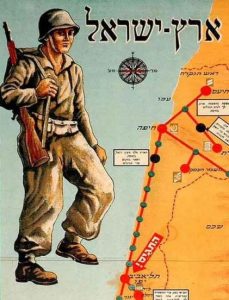
The figure of the Hebrew soldier proudly illustrated on the board, armed and overlooking the land, symbolizes the glorious ethos of the “New Jew.” No longer a helpless victim in exile dependent on the mercy of others, but a brave, proud, and deeply rooted fighter, taking the destiny of his people into his own hands and fiercely defending his home. Games like this, printed immediately after the Holocaust and the war, were designed to instill tremendous strength and national pride in the future generation.
A Design That Tells the Story of a Nation: The graphic design is simply mesmerizing, drawing inspiration from the historic settlement posters of those fateful days:
-
🪖 The Defending Soldier: Standing proudly with a helmet, combat gear, and a weapon, a symbol of the young IDF’s strength.
-
💥 The Cannons: At the bottom of the board, powerful field cannons are illustrated, a reminder that the state was born out of a storm of fire and blood.
-
🗺️ The Land’s Route: In the center spreads the map of Israel, taking players on a journey from Safed and Rosh Pina in the north, through Haifa and Tel Aviv (next to which a bright red arrow points with the clear command: “Enlist!”), east to Jerusalem, and south to the Negev, Beersheba, and Sodom, all the way to the historic finish line in Eilat (Umm al-Rashrash).
Binyamin Barlevy, the legendary pioneer of board games in the Land of Israel, was a true educational institution (publishing dozens of other mythological games). Every single game of his was a lesson in Zionism. Through this board, Israeli children learned about the heavy price of liberty and the right to live as a free people.
This is an authentic, well-preserved collectible that has been meticulously framed. Beyond being a stunning decorative vintage item, it is a breathtaking historical document.
Hanging this board in a home or office anywhere in the world means proudly declaring: “We are part of this miracle. Am Yisrael Chai (The People of Israel Live).

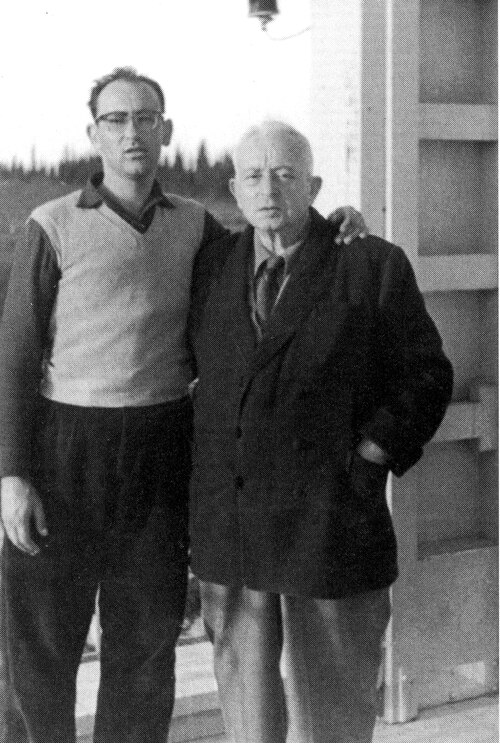
Immigration to Israel and the Establishment of the “Sifrut” Empire Barlevy was born in Warsaw in 1894. Despite a severe childhood injury (losing his leg in a tram accident), he was highly driven. In 1921, during the Third Aliyah, he immigrated to the Land of Israel. Initially working as a bookstore clerk, he opened his legendary store “Sifrut” (Literature) in 1926 at 57 Allenby Street in Tel Aviv. This store was not just a business—it became a cultural institution, a pilgrimage site for children, parents, and teachers, and essentially the first factory in the country to manufacture cardboard dreams in a box.
The Vision: Play as a Tool for Zionist Education Barlevy’s true greatness lay in his understanding that play is a powerful educational tool. In those years of nation-building, he didn’t want children to merely “pass the time.” He wanted to shape the “New Jew” and the Tzabar (native-born Israeli). His games were designed to teach the reviving Hebrew language, instill knowledge of Jewish holidays and traditions, and familiarize children with the land’s geography and military heritage. When a child played a Barlevy game (like the 1948 “Eretz-Israel” board), they learned where remote settlements were located, understood the country’s borders, and absorbed the pioneering values of defense, settlement, and agriculture.
“The Publisher and Inventor” and the Bestsellers of the Era Barlevy often adapted the mechanics of well-known international games to the reality of the Land of Israel.
-
“Rikuz” (The Israeli Monopoly): His most famous game. Instead of buying streets in London or New York, players bought citrus groves (Pardesim), agricultural settlements, and Hebrew companies. The game taught children the importance of redeeming the land and developing the Hebrew economy.
-
“Tiyul Ba’Aretz” (A Trip Across the Country): A track game that taught children the map of Israel (similar to the board you have).
-
Military and Security Games: In the 1940s and around the War of Independence, Barlevy published games that glorified the underground fighters and the IDF, aiming to instill pride and a sense of security among children on the home front.
Graphic Design and Art as a Reflection of the Era Barlevy understood that a game must be visually appealing. He hired the best illustrators and graphic designers of the time (such as Elisheva Nadel, Shmuel Katz, Ze’ev Raban, and others) to design the boards and boxes. The colorful illustrations, the unique Hebrew typography, and the graphic style that characterized the Zionist settlement posters—all these turned the games into actual works of art. This is exactly why these boards, when framed today, look like beautiful modern-historical art posters.
The Legacy and Collectible Value Today The publishing house’s activity declined in the 1960s following Barlevy’s death in 1964, and with the introduction of new toy manufacturers and modern technologies like plastic (Barlevy’s original games were made of paper, wood, and cardboard). Today, items from the B. Barlevy publishing house are considered highly sought-after and extremely rare collectibles. They are displayed in museum exhibitions (such as the Eretz Israel Museum) and sold at auctions to Judaica collectors, cultural researchers, and nostalgia enthusiasts. Every game that has survived the ravages of time is essentially a time capsule containing the innocence, hope, and ideology of the State of Israel’s earliest years.
Sorry, the comment form is closed at this time.