

23 Aug The National Renaissance Movement: The Story of the Party That Reshaped the Israeli Right
A Nuclear Physicist, a Lehi Underground Fighter, and an Acclaimed Author: The Story of the Party That Reshaped the Israeli Right
In the late 1970s, Israeli politics underwent a double earthquake. The first was the 1977 “Mahapach” (political upheaval) that brought Menachem Begin to power; the second, which sent shockwaves through the ideological Right, was the signing of the Camp David Accords (1978) and the Egypt–Israel Peace Treaty (1979), which mandated the complete withdrawal from the Sinai Peninsula and the uprooting of the Yamit settlement bloc. Out of this deep ideological rupture, an uncompromising political movement emerged in October 1979: The Tehiya Party (formally: The National Renaissance Movement).
The Founders: A Unique Alliance of Science, Intellect, and Pioneering Settlement
Tehiya was not a conventional right-wing faction, but an extraordinary fusion of intellectuals, underground veterans, literary figures, and grassroots pioneers:
-
Prof. Yuval Ne’eman: Party Chairman, world-renowned nuclear physicist, former head of IDF intelligence and defense R&D, and President of Tel Aviv University.
-
Geula Cohen: Former Lehi underground fighter (“the voice of the underground”), publicist, and charismatic Member of Knesset who broke away from the Likud in fierce opposition to Begin’s concessions.
-
Moshe Shamir: One of the foremost literary figures of the 1948 generation (“He Walked Through the Fields”), a former Labor movement intellectual who became a leading ideological voice in the Movement for Greater Israel.
-
Leaders of Gush Emunim and the Settlement Movement: Key figures such as Rabbi Hanan Porat, Elyakim Haetzni, and Gershon Shafat, who brought pioneering momentum from Judea, Samaria, and Gaza.
Geula Cohen: Former Lehi underground fighter (“the voice of the underground”),

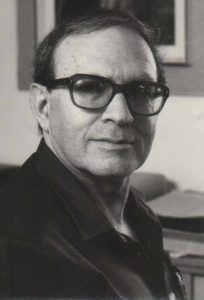
Prof. Yuval Ne’eman: Party Chairman, world-renowned nuclear physicist,
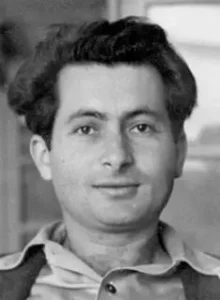
Moshe Shamir: One of the foremost literary figures of the 1948 generation
Ideology and Key Achievements
Tehiya championed the principle of the “Greater Land of Israel” (Eretz Yisrael HaShlemah), viewing any territorial concession as an existential and strategic security threat to the state:
-
The Campaign Against the Sinai Withdrawal: Tehiya stood as the backbone of the “Movement to Stop the Withdrawal from Sinai” and the Yamit resistance (1981–1982), which became an iconic symbol of ideological opposition to settlement evacuation.
-
Historic National Legislation: The party’s most famous legislative milestone was the Basic Law: Jerusalem, Capital of Israel (1980), initiated and championed by Geula Cohen, alongside steadfast support for the Golan Heights Law (1981).
-
Settlement Growth and Scientific Advancement: Upon joining right-wing coalitions, Tehiya spearheaded the establishment of dozens of settlements across Judea, Samaria, and the Gaza Strip. As Minister of Science and Development, Prof. Yuval Ne’eman bridged advanced technological and space research with regional development.
-
Soviet Jewry Aliyah: The movement was a relentless advocate for opening the Iron Curtain and absorbing the mass Soviet immigration wave.
The 1992 Political Collapse
Throughout the 1980s, Tehiya established itself as the third-largest faction in the Knesset and served as the ideological compass of the national camp. However, its uncompromising principles led to its resignation from Yitzhak Shamir’s government in early 1992 following Israel’s participation in the Madrid Conference. In the 1992 elections, the right-wing vote fractured among several small factions, and a newly raised electoral threshold prevented Tehiya from entering the Knesset (despite securing over 31,000 votes). This failure paved the way for the establishment of Yitzhak Rabin’s government and the signing of the Oslo Accords.
In Hindsight: Historical Context and Present Reality
Looking back across the decades, the warnings voiced by the Tehiya movement have gained significant historical and strategic resonance:
-
The Prophecy on the Oslo Accords: Tehiya leaders consistently warned that relinquishing land and providing arms under the illusion of a “New Middle East” would establish armed terrorist enclaves along Israel’s borders—a trajectory of escalating conflict that culminated in the disaster of October 7th.
-
The Trauma of the Gush Katif Disengagement: Tehiya’s fierce resistance to unilateral withdrawals and the uprooting of communities foresaw the consequences of the 2005 Disengagement plan. The evacuation of the Jewish settlements in the Gaza Strip failed to bring stability; instead, it created a deep national rupture, transformed the Gaza Strip into a heavily fortified terror bastion, and led directly to recurring wars and the October 7th terror assault.
-
Vindication of the Territorial Security Doctrine: The core thesis championed by Yuval Ne’eman and Tehiya—that strategic depth, military control, and an active settlement presence on the ground are indispensable prerequisites for Israel’s defense and survival—has shifted from a contentious 1980s concept into a widely recognized strategic reality for the majority of the Israeli public today.
The Visual Legacy of Tehiya Posters
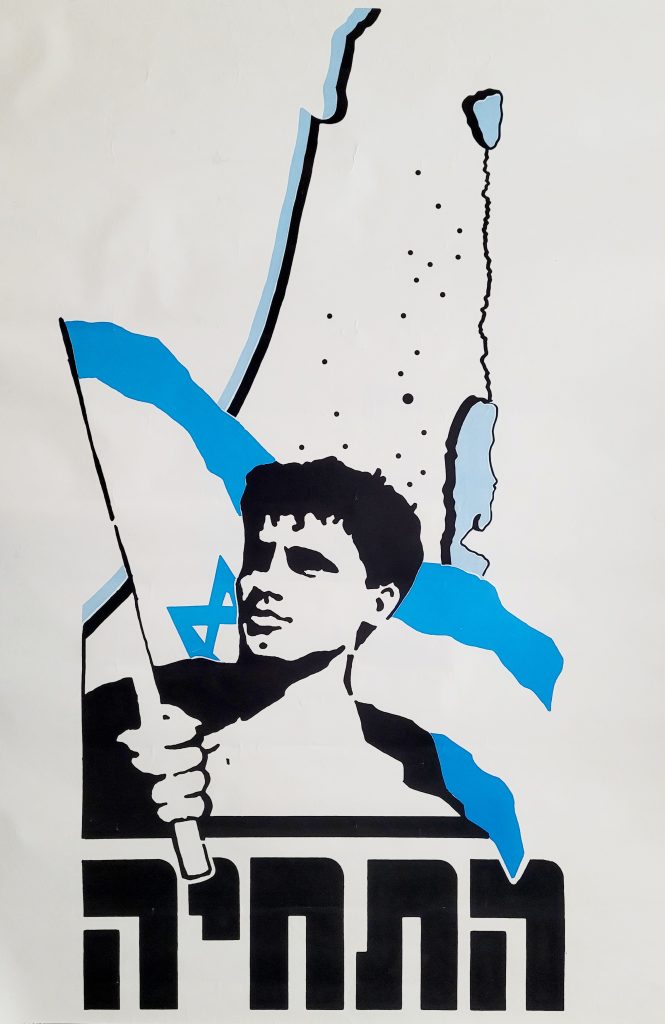
Beyond its political footprint, Tehiya produced a distinctive and powerful visual identity. Its campaign posters combined bold contrasts, constructivist lines, strong geometric Hebrew typography, and full maps of the Land of Israel. Today, these original posters are highly sought-after vintage collector’s items that document one of the most turbulent and identity-defining eras in modern Israeli history.
Sorry, the comment form is closed at this time.